Jeep Wrangler Cluster Upgrade: Complete Installation & Calibration Walkthrough
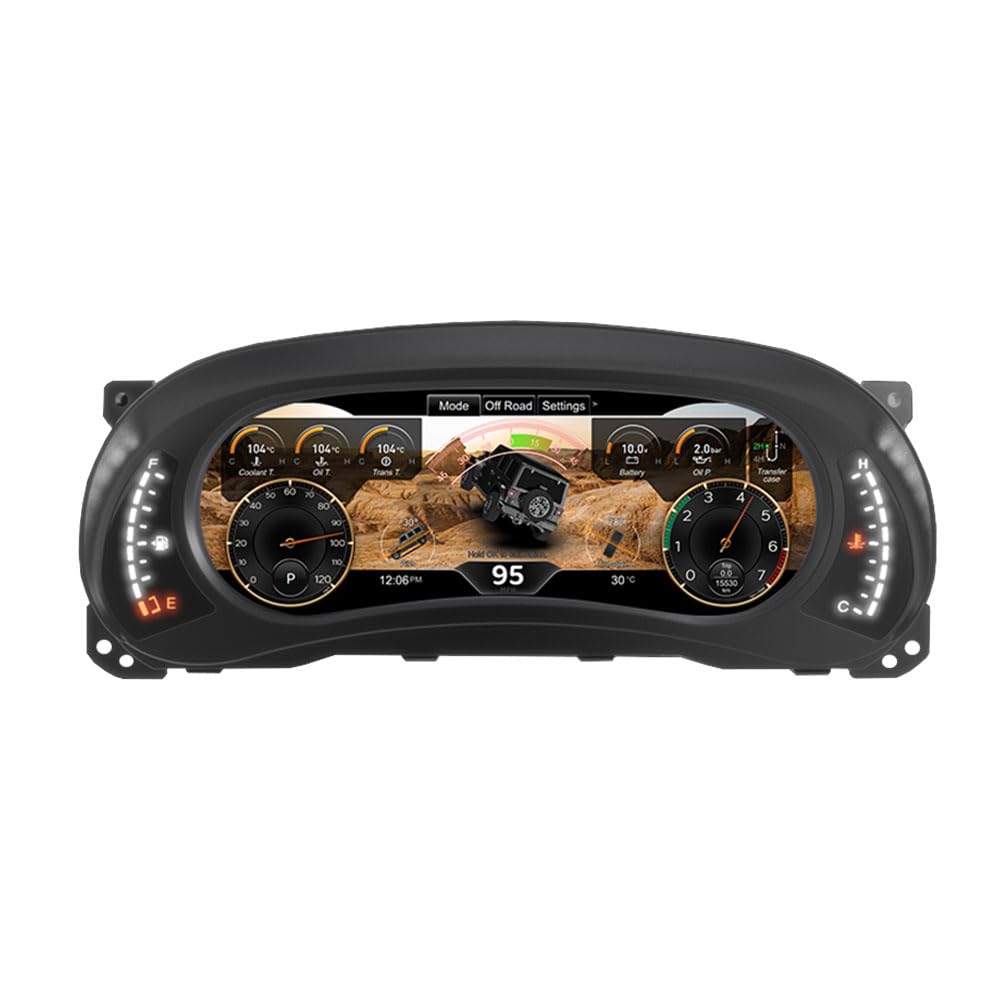
Upgrading your Jeep Wrangler’s instrument cluster can completely change the way your dash looks and feels. Whether you’re upgrading from an analog setup to a digital display or replacing a damaged OEM cluster, this walkthrough covers everything you need, from removal and installation to calibration and final testing.
A Weekend Project for Every Jeep Enthusiast
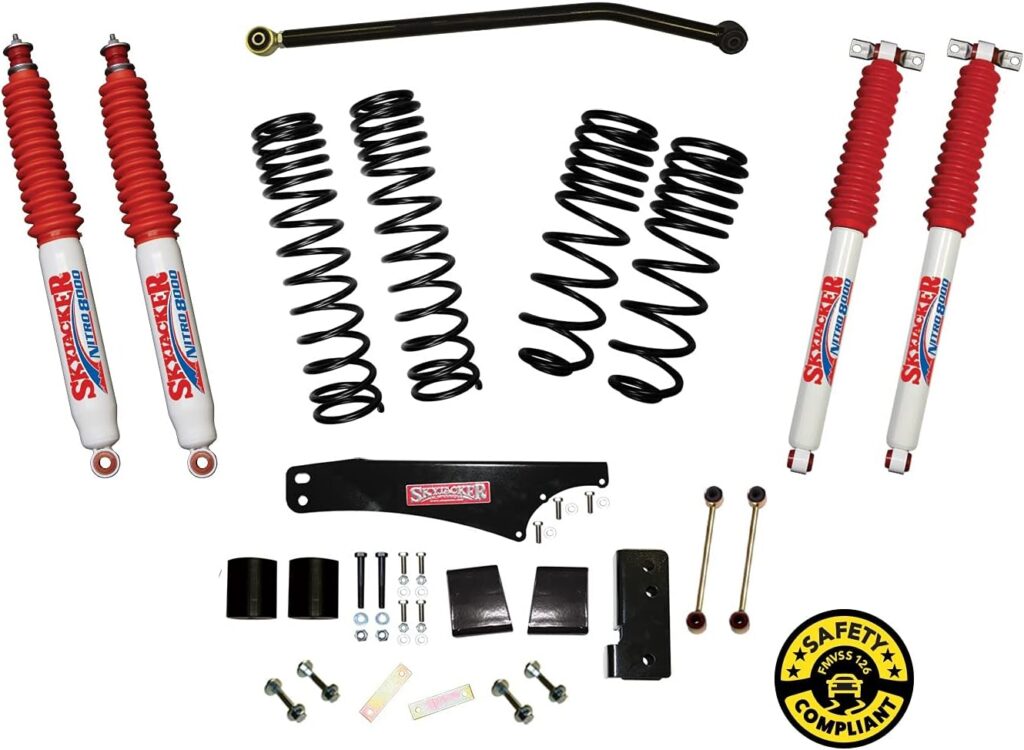
Jason, a lifelong off-road enthusiast from Alberta, had been driving his 2014 Wrangler JK for years. After adding LED lights, a lift kit, and bigger tires, his factory gauges started looking outdated. When his tachometer began flickering, he decided to upgrade to a newer digital cluster with clearer lighting and better readouts.
Tools You’ll Need
- Trim removal tool set
- Phillips screwdriver
- 7mm and 10mm socket wrench
- OBD-II scanner (for calibration)
- Protective gloves
Step-by-Step Installation Guide
- Disconnect the battery: Always start by removing the negative terminal to avoid triggering airbag or ECU codes.
- Remove the dashboard trim: Use a trim removal tool to carefully pop off the dash bezel around the cluster.
- Unscrew the old cluster: Remove the screws holding your existing cluster in place (usually four 7mm bolts).
- Unplug the wiring harness: Press the clip and gently pull the harness out of the back of the cluster.
- Install the new cluster: Connect the wiring harness to your new unit, ensuring a snug fit before bolting it back into place.
- Reinstall the dash trim: Snap the bezel back carefully and reconnect your battery.
Calibration & Testing
After installation, use your OBD-II scanner to check for warning lights or ECU codes. Most new clusters auto-calibrate for fuel level and mileage once the ignition is cycled several times. However, if your odometer reading is off, visit a dealership or certified technician since mileage correction requires specialized software and legal verification.
Pro Tips
- Always verify compatibility between your Jeep’s year and model (JK, JL, or Gladiator) and the new cluster before purchase.
- Keep your original cluster stored safely since it may be required if you ever sell or trade the vehicle.
- Consider LED backlighting or custom gauge faces for a personalized look.
Common Jeep Wrangler Cluster Readings
| Gauge | Purpose |
|---|---|
| Speedometer | Displays current vehicle speed in MPH or km/h. |
| Tachometer (RPM Gauge) | Shows engine revolutions per minute. |
| Fuel Gauge | Indicates remaining fuel level. |
| Coolant Temperature | Monitors engine operating temperature. |
| Odometer / Trip Meter | Tracks total and trip-specific distance. |
Final Thoughts
Upgrading your Jeep Wrangler cluster is not just about style; it’s about precision, reliability, and enhancing your driving experience. With a properly installed and calibrated unit, you’ll enjoy accurate readings and a modernized dash that matches your off-road spirit.
Summary
Installing a new Jeep Wrangler cluster is a straightforward project that combines mechanical know-how with a bit of patience. Disconnect the battery, remove the trim, swap the cluster, and calibrate with an OBD-II scanner. The result is a refreshed dashboard with improved functionality and accuracy.