OEM vs Aftermarket Suspension for Jeep Wrangler: What’s Best for Off-Road Performance & Longevity
If you’re upgrading or repairing your Jeep Wrangler suspension, you’ll want to decide between OEM and aftermarket parts. This guide breaks down what each option delivers, the pros & cons, and how to choose based on your driving style, rig build, and budget.
What Is an OEM Suspension?
OEM (Original Equipment Manufacturer) suspension parts are built to the same specs used when your Jeep left the factory. They are designed specifically for your Jeep’s model, weight, and intended use, offering a precise fit and consistent performance.
Advantages of OEM
- Reliable fit and performance — no major modifications required.
- Manufactured to Jeep’s (or its supplier’s) quality and safety specifications.
- Warranty-friendly: less likely to void factory warranties when maintained properly.
Drawbacks of OEM
- Generally more expensive upfront than lower-cost aftermarket alternatives.
- Less flexibility for customization, lifting, or heavy off-road usage beyond stock design.
What Is an Aftermarket Suspension?
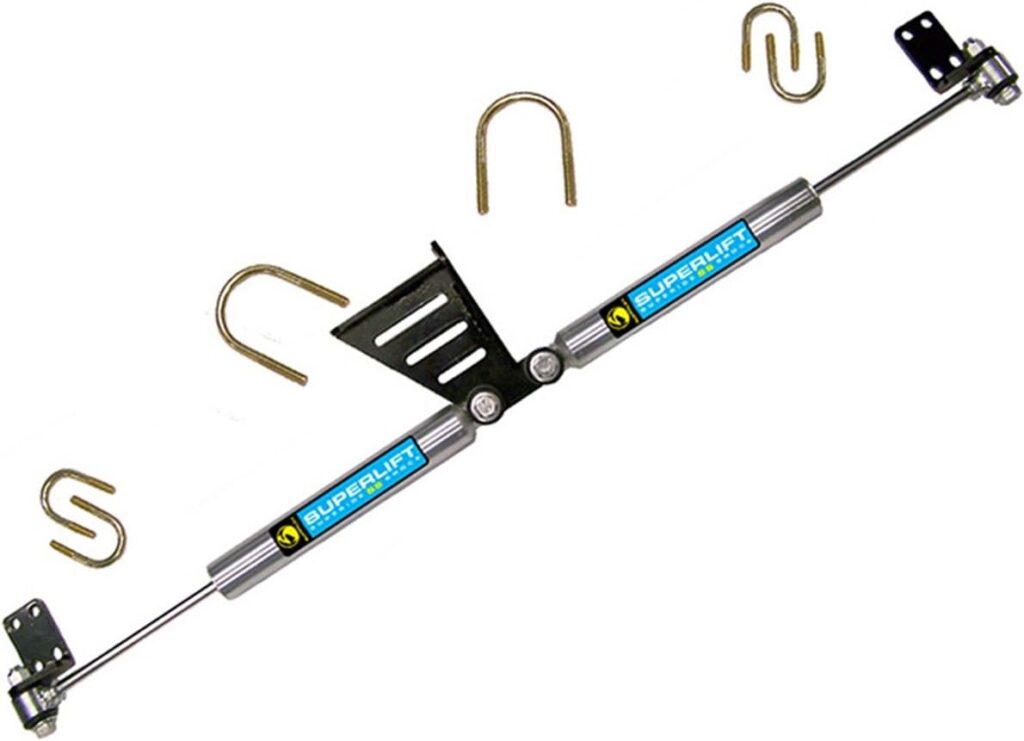
Aftermarket suspension components and lift kits are made by third-party manufacturers. They offer a range of options — from mild upgrades to full off-road performance systems — and can be tailored to your specific build goals.
Advantages of Aftermarket
- Wide selection: different lift heights, adjustable shocks, heavy-duty control arms, etc.
- Potential performance gains: better articulation, increased ground clearance, improved handling off-road. :contentReference[oaicite:0]{index=0}
- Cost flexibility: you can choose budget or premium systems depending on your needs.
Drawbacks of Aftermarket
- Quality can vary widely — be sure to select reputable brands. :contentReference[oaicite:1]{index=1}
- Fitment issues sometimes occur; installation and alignment may require more care. :contentReference[oaicite:2]{index=2}
- Some aftermarket mods may affect warranties or insurance if improperly chosen or installed. :contentReference[oaicite:3]{index=3}
Which One Should You Use?
The right choice depends on how you use your Jeep — and what you’re aiming to achieve.
- Everyday / light off-road use: OEM or mild aftermarket upgrades give reliability without overcomplicating your rig.
- Regular off-road / trail use: A well-chosen aftermarket system can greatly improve clearance, comfort, and control.
- Serious builds (big lifts, heavy mods, maximum articulation): Premium aftermarket suspension designed for your exact needs is almost always the best fit.
Key Tips When Choosing Suspension Options
- Always check compatibility with your Jeep model and year (JL, JK, etc.).
- Compare user reviews and real-world feedback from Jeep communities. :contentReference[oaicite:4]{index=4}
- Balance your budget: consider long term durability over initial low cost. :contentReference[oaicite:5]{index=5}
- If you’re keeping within safe load limits and staying close to stock configuration, OEM still holds strong advantages. :contentReference[oaicite:6]{index=6}
OEM vs Aftermarket Suspension – Final Verdict
If you’re looking for **maximum reliability and factory-grounded performance**, OEM has clear advantages. But if your goal is **to get the most off-road performance, customization, and ride comfort** from your Jeep Wrangler — the right aftermarket suspension system will usually outperform stock. Your best route is choosing high-quality aftermarket parts tailored to your build, or staying with OEM if you want simplicity and peace of mind.