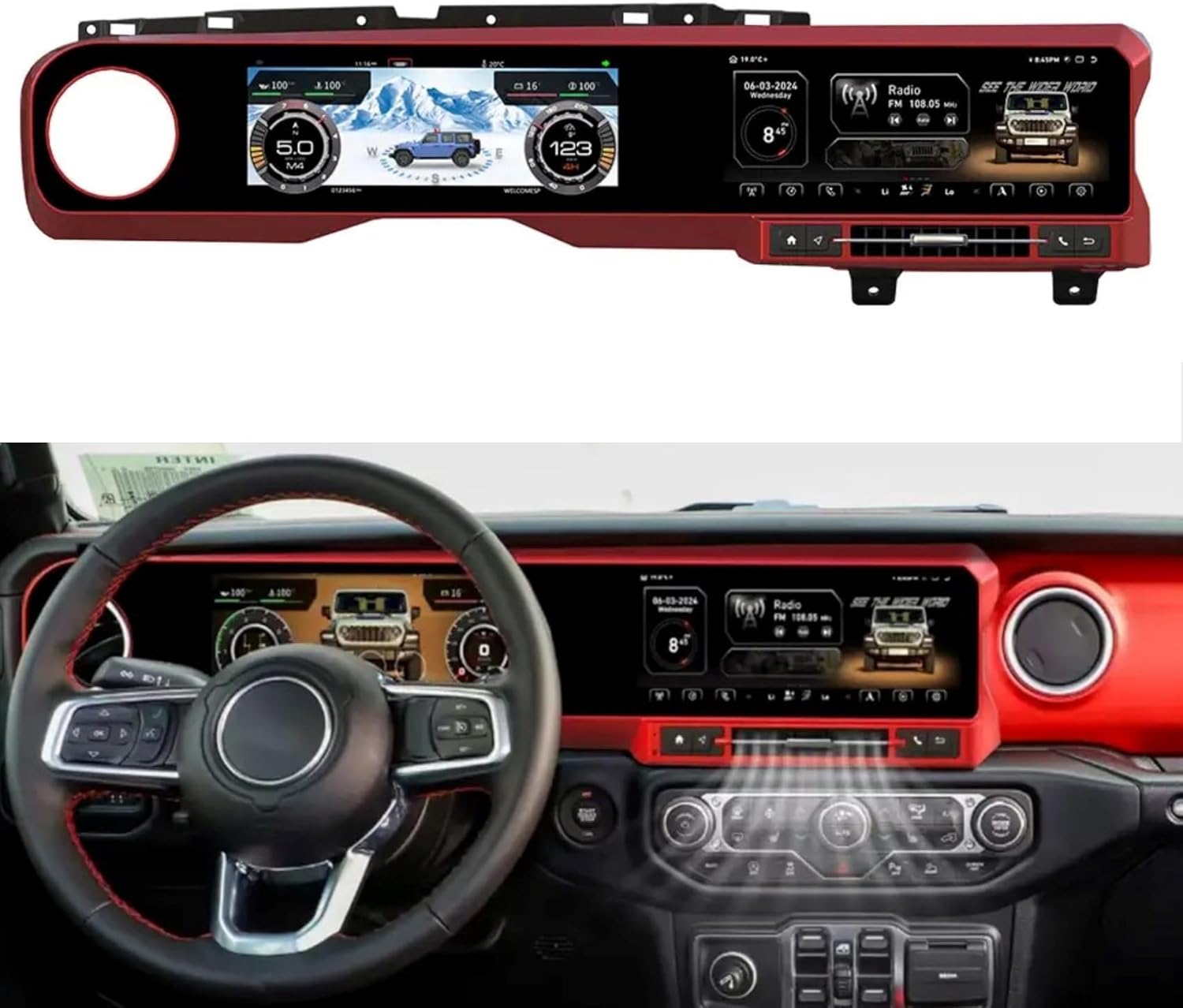
OEM vs Aftermarket Clusters: What’s the Difference?
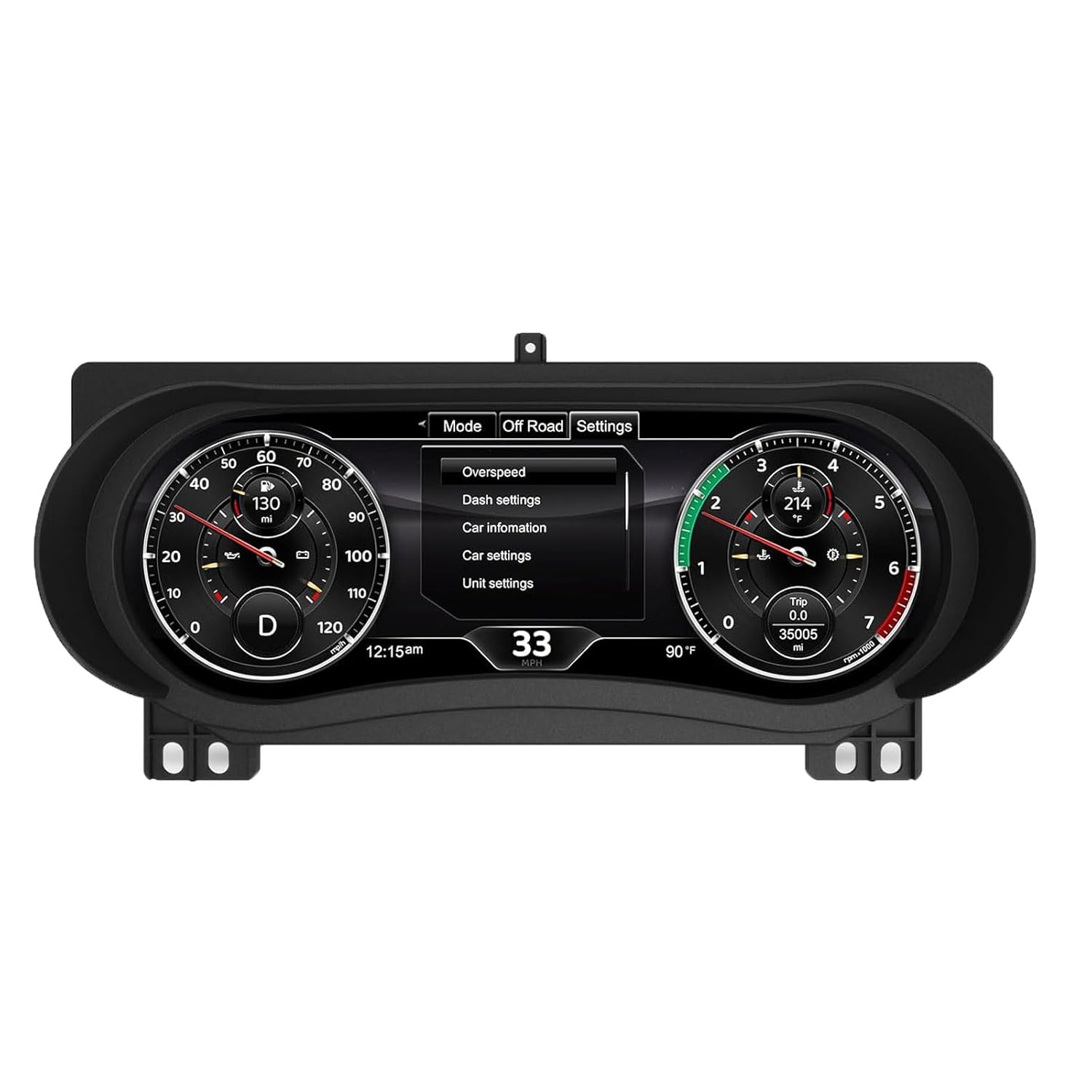
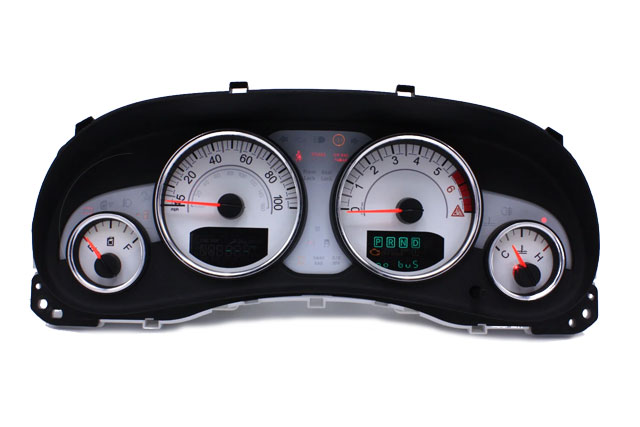
When you buy a Jeep Wrangler, it comes with a factory (OEM) instrument cluster,gauge and speedometer output, designed for reliability and basic functionality. It gets the job done by showing your speed, RPM, and a few essential alerts. But for many Jeep owners, the stock cluster lacks the customization, real-time data, and modern aesthetics that make your Wrangler feel truly yours.
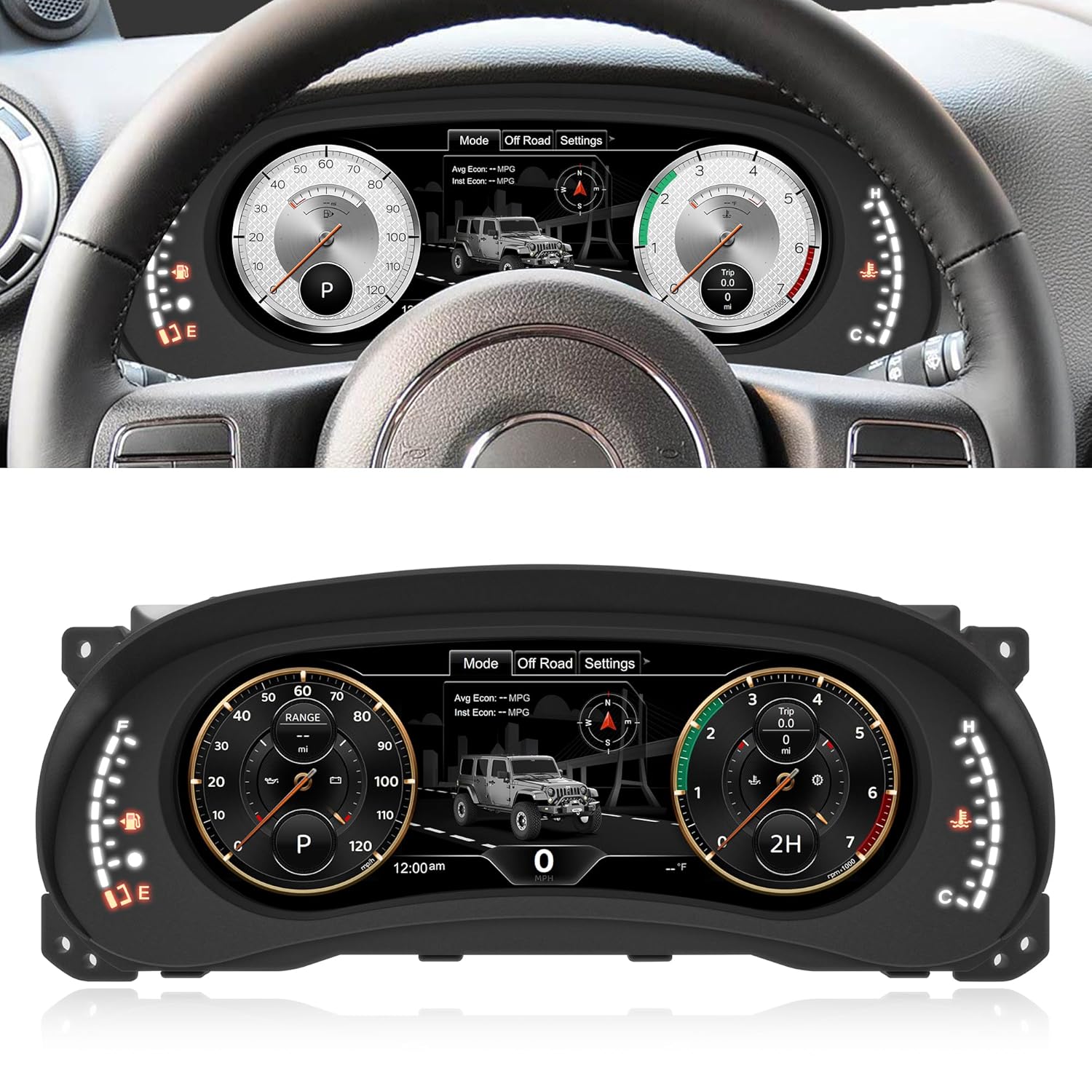
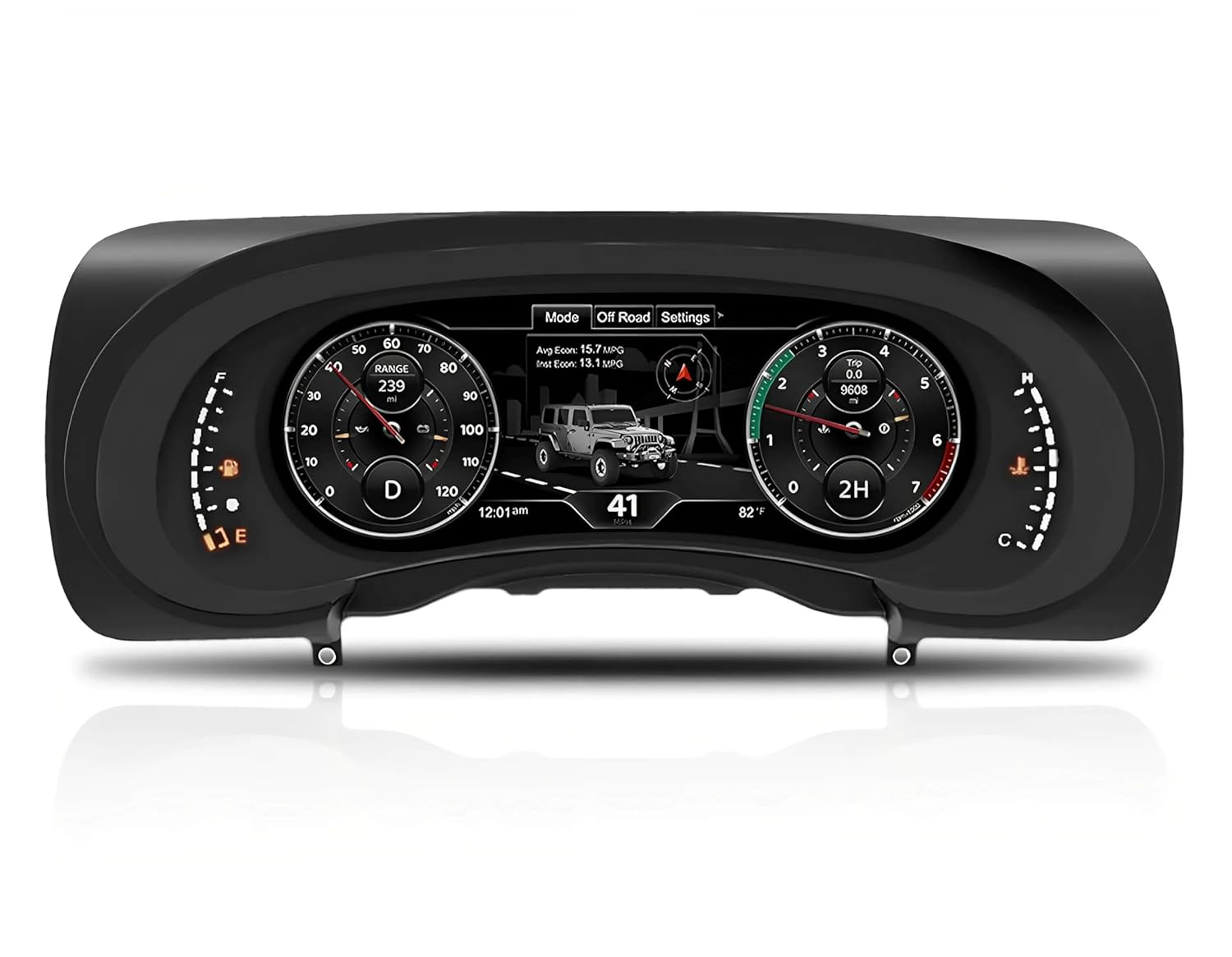
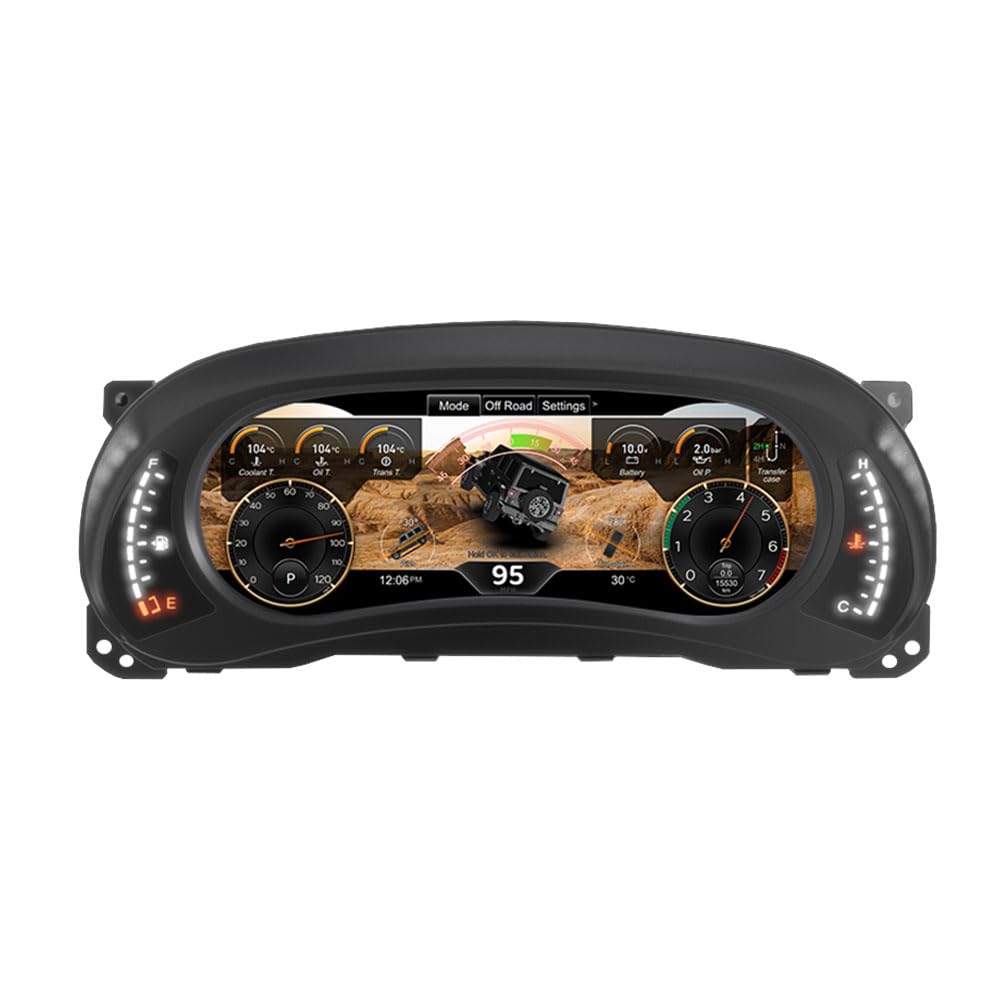
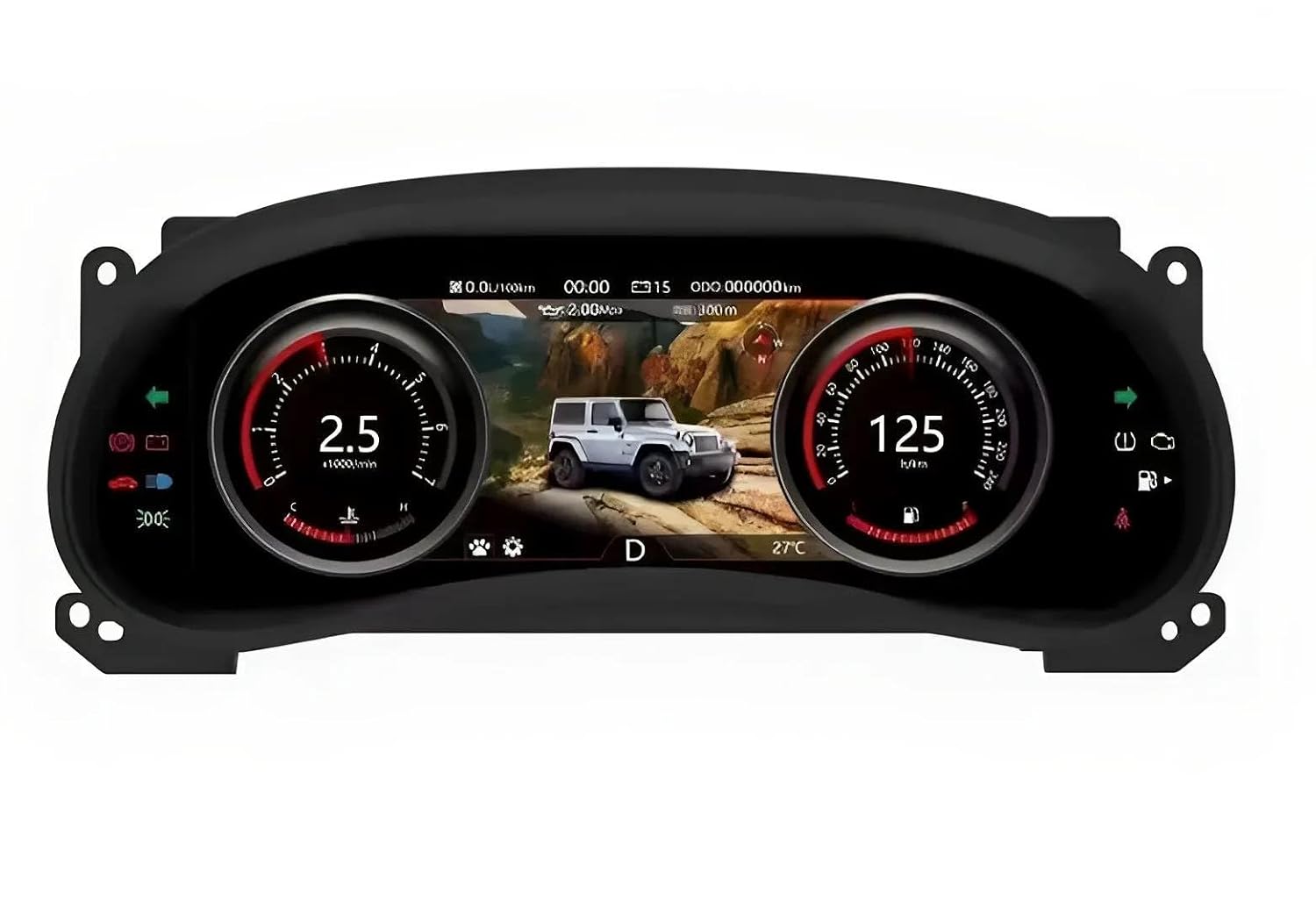
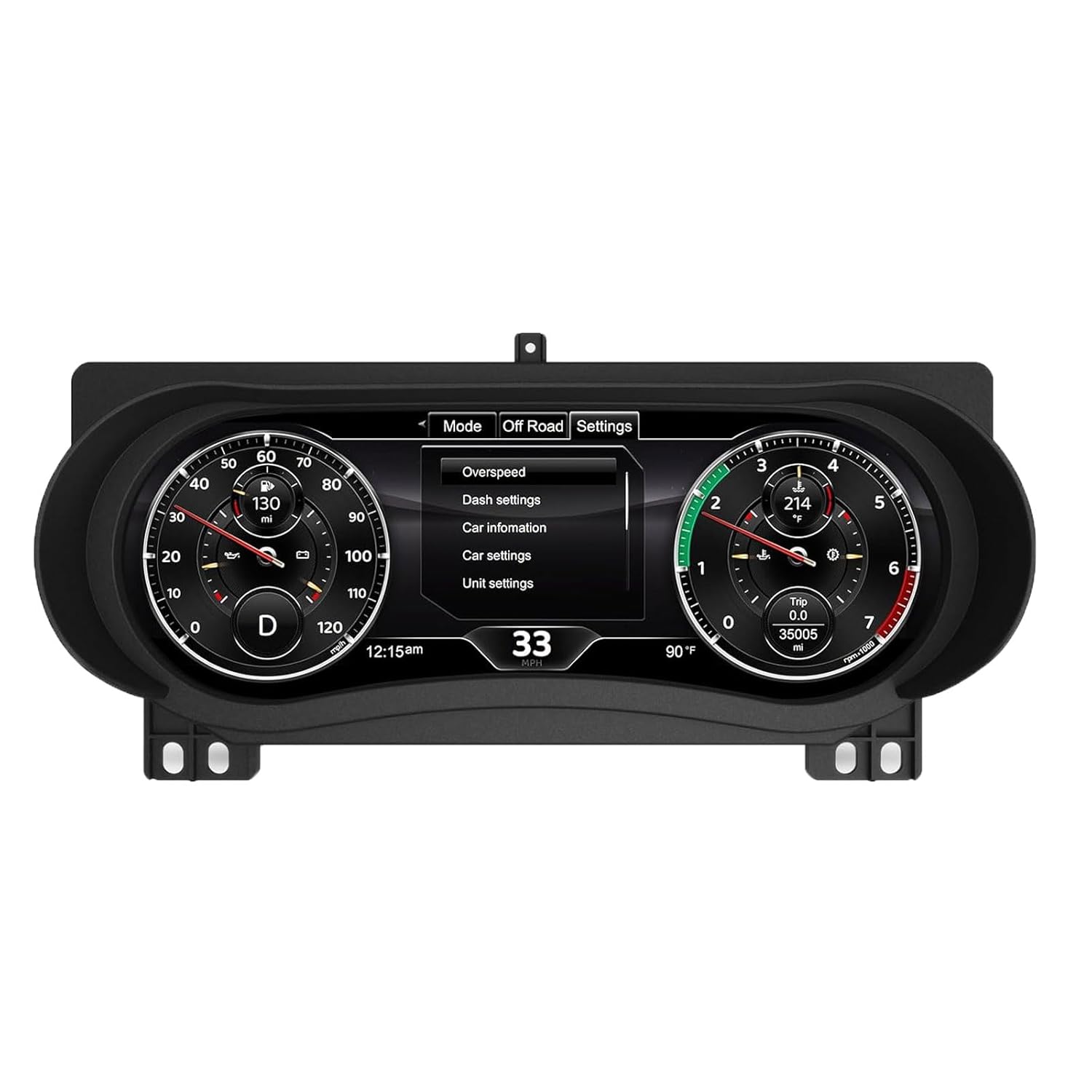
Enhanced display with digital graphics and custom themes
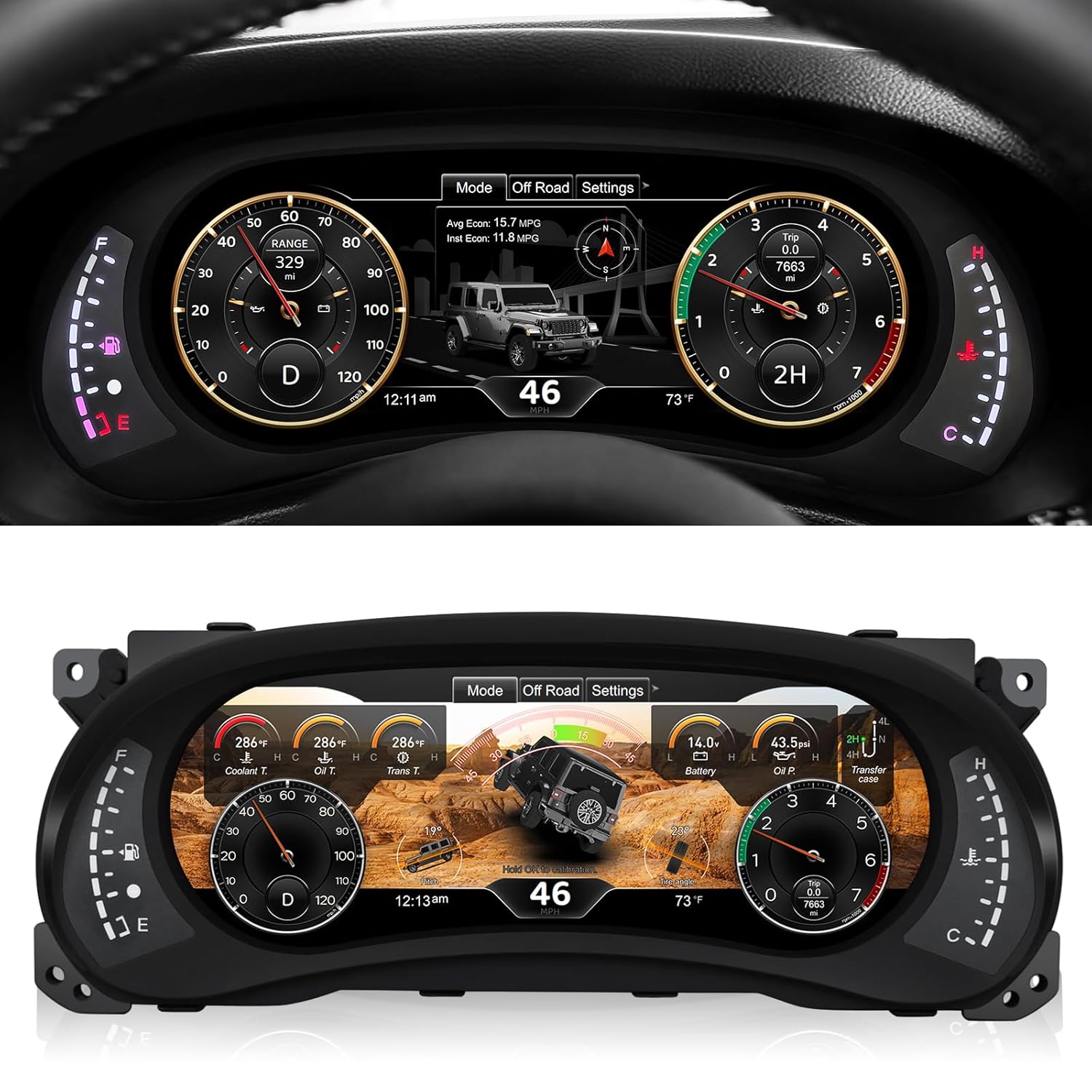
Access to additional vehicle data (tire pressure, voltage, oil temps, etc.)
Real-time diagnostics and colour-coded alerts
Requires installation or calibration
Precise gauge and speedometer output
If you’re looking to give your Jeep’s dashboard a high-tech refresh or better insight into your off-road performance, an aftermarket cluster is a game-changing upgrade.
Upgrading your cluster isn’t just about looks — it’s about functionality and feedback. Modern aftermarket clusters give you features the factory dash simply doesn’t provide, such as:
Digital LCD / TFT displays with customizable gauge layouts
Built-in diagnostic tools reading OBD-II data directly
Off-road telemetry like pitch, roll, and compass readouts
Navigation overlays and Bluetooth syncing
Customizable themes for day/night driving
Plug-and-play installs for JL and Gladiator models
The result? A smarter cockpit experience that matches your Jeep’s rugged performance.
Compatibility by Jeep Model
Not all clusters fit all Wranglers. Here’s a quick breakdown:
Jeep Model
Compatible Cluster Types
Notes
TJ (1997–2006)
Analog / hybrid
May require wiring harness conversion
JK (2007–2018)
Analog / hybrid / digital
Some calibration required for CAN bus
JL (2018–present)
Plug-and-play digital
Compatible with most premium upgrades
Gladiator (2020–present)
Plug-and-play digital
Shares architecture with JL
Always double-check your model year and VIN before purchasing. Some clusters require ECU reprogramming or adapter modules for full functionality.
Top Aftermarket Jeep Wrangler Clusters for Every Model
Most aftermarket clusters for Jeep Wranglers are designed for plug-and-play installation, especially on JL and Gladiator models. Here’s the basic process:
Disconnect the battery to avoid triggering warning codes.
Remove the dashboard trim using a trim removal tool.
Unscrew and unplug the OEM cluster.
Install new cluster and connect the wiring harness.
Reboot / recalibrate if needed via OBD-II or software interface.
Verify all gauges and warning lights function properly.
Maintenance & Software Updates
Aftermarket clusters often come with firmware updates or theme packs that can be applied via USB or Bluetooth.
Keep your firmware updated for bug fixes and new features.
Avoid moisture exposure and direct heat.
Use a soft cloth when cleaning digital displays.
Common Problems and Fixes
Step
Description
1. Disconnect the battery
To avoid triggering warning codes.
2. Remove the dashboard trim
Use a trim removal tool.
3. Unscrew and unplug
Remove the OEM cluster carefully.
4. Install new cluster
Connect the wiring harness securely.
5. Reboot / recalibrate
If needed via OBD-II or software interface.
6. Verify
Ensure all gauges and warning lights function properly.
Maintenance & Software Updates
Aftermarket clusters often come with firmware updates or theme packs that can be applied via USB or Bluetooth.
Maintenance Tip
Details
Keep your firmware updated
Receive bug fixes and new features.
Avoid moisture and direct heat
Prevents screen or circuit damage.
Clean properly
Use a soft cloth when cleaning digital displays.
FAQs
Does installing a digital cluster void my warranty? Typically, no — but it depends on your dealership. Keep your OEM unit to reinstall if needed.
Can I switch back to my original cluster? Yes, plug-and-play models allow you to revert easily.
Will it work with my Jeep’s existing warning lights? Most premium models replicate all factory indicators.
Do I need to reprogram my ECU? Not for JL and Gladiator models. JK and TJ may require recalibration.
Who Should Upgrade?
Off-road enthusiasts who want live telemetry data
Show Jeep owners looking for that wow factor
Daily drivers who appreciate modern dashboards
Tech tinkerers who enjoy customizing their ride
Final Thoughts
Whether you’re upgrading for performance data, aesthetics, or modern tech, a Jeep Wrangler aftermarket cluster completely transforms your dashboard experience.
Jeep Wrangler Cluster Upgrade: Complete Installation & Calibration Walkthrough Upgrading your Jeep Wrangler’s instrument cluster can completely change the way your dash looks and feels.
Are Jeep Wrangler Digital Clusters Worth the Upgrade? Cost vs. Performance Breakdown Upgrading your Jeep Wrangler’s instrument cluster can completely change your driving experience —
Digital vs. Analog: Which Type of Instrument Cluster Is Best for Jeep Wranglers? When Jake, a lifelong off-road enthusiast, upgraded his 2014 Jeep Wrangler JK,
Are Aftermarket Instrument Clusters Legal and Warranty-Safe for Jeep Owners? Upgrading your Jeep’s instrument cluster can transform your driving experience, especially with digital displays offering
How Much Does a Jeep Wrangler Gauge Cluster Replacement Cost? (Plus Common Questions Answered) Thinking about replacing your Jeep Wrangler’s gauge cluster? Whether your speedometer